

• Skip to primary navigation
  • Skip to main content
  • Skip to footer
OMA Comp

OMA Comp

Web Design & Development

  • Home
  • About
    • Our Culture
    • Client Testimonials
    • Photo Gallery
    • Video Testimonials
  • Services
    • Web & Creative
      • Custom App Design
      • Drone Services
      • Graphic Design
      • Logo Design
      • Online Stores
      • Photography/Videography
      • Video Production
      • Web Design/Development
    • Digital Marketing
      • Advertising & Paid Search (PPC)
      • B2B Marketing
      • Content Marketing
      • Email Marketing
      • Press Releases & Public Relations
      • Social Media Management
    • SEO & Online Visibility
      • Local SEO
      • Reputation Management & Repair
      • Search Engine Optimization (SEO)
      • Website Compliance (ADA, WCAG)
    • Technology & IT Solutions
      • Cloud Solutions
      • Custom Integrations
      • IT Support & Maintenance
      • Network Setup & Security
      • Managed Hosting
    • Strategy & Consulting
      • Analytics & Reporting
      • Marketing Strategy Development
      • Training & Support
      • Website & Brand Review
      • Social Media Boot Camp Classes
      • Events
  • Portfolio
  • Blog
  • Contact
    • Website Design Form
    • Careers
    • Internships
    • Review Us
  • Online Bill Pay
  • Request a Quote
  • 248-616-3057

Blog

Using AI to Automate Your Business

January 9, 2026

Table of Contents
  • Introduction
  • What AI Automation Means for Businesses
  • Where Businesses Use AI Automation
  • Benefits of AI Automation
  • AI's Role in Marketing and Sales
  • How to Start Automating with AI
  • Addressing Common Concerns About AI
  • Conclusion

Introduction

Businesses no longer need large budgets or technical teams to use artificial intelligence. Today, companies of all sizes apply AI to automate tasks, streamline workflows, and make faster decisions.

AI automation allows business owners to spend less time on manual work and more time on strategy and growth.

What AI Automation Means for Businesses

AI automation uses software that learns patterns, processes data, and improves performance over time. Unlike basic automation, AI adapts and responds to changing conditions.

This makes AI especially useful for tasks involving repetition, decision-making, or large amounts of data.

Where Businesses Use AI Automation

AI tools support nearly every area of a business.

Common applications include:

  • Customer service chatbots and email responses
  • Marketing content creation and scheduling
  • Sales lead qualification and follow-ups
  • Inventory and demand forecasting
  • Appointment scheduling and reminders
  • Reporting and performance analysis

Automation reduces errors and allows teams to focus on higher-value responsibilities.

Benefits of AI Automation

AI automation improves efficiency immediately. Tasks that once required hours now take minutes.

Businesses gain additional advantages such as:

  • Lower operating costs
  • Faster customer response times
  • Greater consistency
  • Better use of employee expertise
  • Easier scalability

Automation also improves reliability, which helps businesses grow with confidence.

AI’s Role in Marketing and Sales

AI has reshaped marketing strategies. Businesses now use AI to personalize email campaigns, generate ad copy, analyze behavior, and optimize performance in real time.

Sales teams rely on AI insights to identify high-quality leads, recommend next steps, and automate follow-ups. These tools shorten sales cycles and increase conversion rates.

How to Start Automating with AI

Businesses succeed with AI by starting small. Identify repetitive tasks that slow down operations or create errors.

Implement one or two AI tools, measure results, and expand gradually. Choose solutions that integrate easily with existing systems and workflows.

Addressing Common Concerns About AI

Many business owners worry about complexity or job replacement. In practice, AI works best when it supports people rather than replaces them.

Modern AI tools offer affordability, simplicity, and user-friendly design. When businesses implement AI thoughtfully, teams become more productive and effective.

Conclusion

AI automation gives businesses a competitive advantage. By letting AI handle routine work, businesses gain time, clarity, and efficiency. Companies that adopt automation early position themselves for long-term scalability and success.

Filed Under: Blogging Tagged With: ai automation, artificial intelligence for business, business automation, marketing automation, small business ai, workflow automation

The Importance of Local SEO for Location-Based Businesses

January 7, 2026

Table of Contents
  • Introduction
  • What AI Automation Means for Businesses
  • Where Businesses Use AI Automation
  • Benefits of AI Automation
  • AI's Role in Marketing and Sales
  • How to Start Automating with AI
  • Addressing Common Concerns About AI
  • Conclusion

Introduction

For location-based businesses, visibility in local search results is no longer optional. When potential customers search for services or products near them, search engines prioritize businesses that are optimized for local intent. Local SEO ensures your business shows up at the right time, in the right place, to the right audience.

Whether you run a restaurant, contractor service, retail shop, medical practice, or professional office, local SEO directly impacts calls, visits, and revenue.

What Is Local SEO?

Local SEO is the process of optimizing your online presence to attract customers from searches tied to a specific geographic area. These searches often include phrases like “near me,” city names, or zip codes, but many local searches happen even without location words.

Search engines determine local rankings using factors such as proximity, relevance, and prominence. Businesses that send clear, consistent signals across platforms are far more likely to appear in local results.

Why Local SEO Matters More Than Ever

Search behavior has changed. Consumers expect immediate, nearby solutions. Studies consistently show that local searches lead to action, including phone calls, directions requests, and in-person visits.

If your business does not appear in local results, customers are finding your competitors instead. Local SEO helps you capture demand that already exists, rather than relying solely on ads or outbound marketing.

Google Business Profile Optimization

Your Google Business Profile is the foundation of local SEO. It allows your business to appear in map results and local listings.

An optimized profile includes:

  • Accurate business name, address, and phone number
  • Correct categories and services
  • High-quality photos
  • Regular updates and posts
  • Active review management

A complete and well-maintained profile builds trust with both search engines and potential customers.

Consistent Business Information Across the Web

Search engines look for consistency. Your business name, address, and phone number should match exactly across your website, directories, and social platforms.

Inconsistent listings confuse search engines and reduce ranking potential. Maintaining accurate citations across the web strengthens your local authority and credibility.

Reviews and Reputation Management

Customer reviews play a major role in local rankings and buying decisions. Businesses with frequent, high-quality reviews tend to rank higher and convert better.

Encouraging satisfied customers to leave reviews and responding professionally to feedback shows search engines and users that your business is active and trustworthy.

Localized Website Content

Your website should clearly signal where you operate. This includes:

  • Location-based service pages
  • City or region mentions in headings and copy
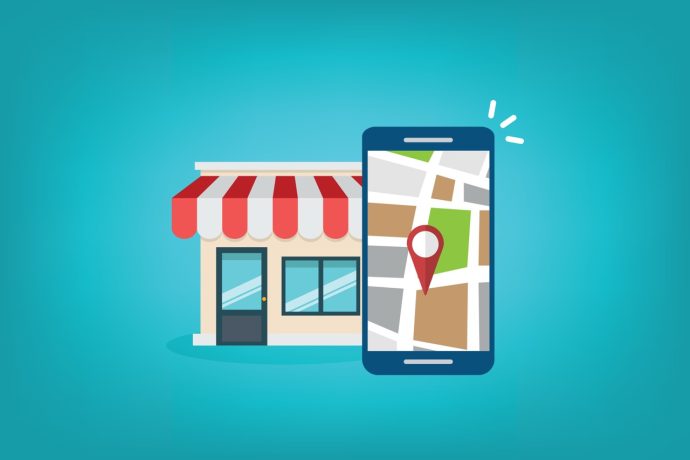
  • Embedded maps and directions
  • Local testimonials and case studies

Localized content helps search engines connect your services to your geographic area.

Conclusion

Local SEO is one of the highest return marketing investments for location-based businesses. It connects you with customers who are actively searching for what you offer, right when they are ready to act. By optimizing your listings, website, and reputation, you create a sustainable path to long-term local visibility and growth.

Filed Under: Blogging Tagged With: Google Business Profile, local marketing strategy, local search optimization, local SEO, location based marketing, small business SEO

Understanding and Utilizing Retargeting in Your Campaigns

January 5, 2026

Table of Contents
  • Introduction
  • What AI Automation Means for Businesses
  • Where Businesses Use AI Automation
  • Benefits of AI Automation
  • AI's Role in Marketing and Sales
  • How to Start Automating with AI
  • Addressing Common Concerns About AI
  • Conclusion

Retargeting has become one of the most powerful tools in modern digital marketing. If you have ever visited a website and later seen ads for that same brand across social media or other websites, you have experienced retargeting firsthand. When used correctly, retargeting keeps your brand visible, reinforces trust, and significantly increases conversion rates

This guide explains what retargeting is, how it works, and how to use it effectively in your marketing campaigns.

What Is Retargeting?

Retargeting is a form of online advertising that targets users who have previously interacted with your brand but did not convert. This interaction could include visiting your website, viewing a product, clicking an ad, or abandoning a cart.

Instead of marketing to cold audiences, retargeting focuses on warm prospects who already recognize your brand. Because these users are familiar with your business, they are far more likely to convert compared to first-time visitors.

Why Retargeting Is So Effective

Most users do not convert on their first visit. In fact, studies show that a large percentage of website visitors leave without taking any action. Retargeting helps bring those users back by reminding them of what they viewed and why your offer matters.

Key benefits of retargeting include:

  • Higher conversion rates
  • Improved brand recall
  • More efficient ad spend
  • Shorter sales cycles
  • Better return on investment

By staying visible after the first interaction, you remain top of mind when users are ready to take action.

How Retargeting Works

Retargeting relies on tracking technology such as pixels or cookies. When someone visits your website, a small piece of code records that interaction. This allows advertising platforms like Google, Facebook, and Instagram to show ads to that user later.

You can segment retargeting audiences based on behavior, such as:

  • Pages visited
  • Products viewed
  • Time spent on site
  • Actions taken or not taken

This segmentation allows for highly relevant messaging that matches the user’s intent.

Types of Retargeting Campaigns

Website Retargeting

Targets users who visited your website but did not convert. This is the most common and effective form of retargeting.

Social Media Retargeting

Uses engagement data from platforms like Facebook and Instagram to retarget users who interacted with your posts, ads, or profile.

Search Retargeting

Targets users based on keywords they searched, even if they have not visited your site yet.

Email Retargeting

Focuses on users who opened or clicked emails but did not complete a desired action.

Best Practices for Retargeting Success

Match Messaging to User Intent

Someone who viewed a product page should see a different ad than someone who only visited your homepage.

Use Frequency Caps

Showing ads too often can lead to fatigue and negative brand perception. Balance visibility with restraint.

Refresh Creative Regularly

Rotate visuals and copy to keep ads engaging and prevent banner blindness.

Include Clear Calls to Action

Retargeting ads should guide users toward the next step, such as scheduling, purchasing, or contacting you.

Track and Optimize Performance

Monitor metrics like click-through rate, conversions, and cost per acquisition to refine your campaigns.

When Retargeting Makes the Biggest Impact

Retargeting is especially effective for:

  • E-commerce businesses
  • Service-based companies
  • Local businesses
  • High-consideration purchases
  • Lead generation campaigns

If your sales process requires multiple touchpoints, retargeting is not optional. It is essential.

Final Thoughts

Retargeting bridges the gap between interest and action. Instead of losing potential customers after the first interaction, you maintain visibility, reinforce trust, and guide users back when they are ready to convert.

When combined with strong creative, clear messaging, and proper audience segmentation, retargeting can become one of the most profitable elements of your marketing strategy.

Filed Under: Blogging Tagged With: audience targeting, conversion optimization, digital advertising, marketing strategy, online ads, retargeting

The Power of Video Testimonials for Building Credibility

January 2, 2026

Table of Contents
  • Introduction
  • What AI Automation Means for Businesses
  • Where Businesses Use AI Automation
  • Benefits of AI Automation
  • AI's Role in Marketing and Sales
  • How to Start Automating with AI
  • Addressing Common Concerns About AI
  • Conclusion

Introduction

In today’s digital marketplace, trust is one of the most valuable assets a business can have. Consumers are more skeptical than ever, and traditional advertising alone is often not enough to convince them. One of the most effective ways to build credibility and influence purchasing decisions is through video testimonials. By showcasing real customers sharing authentic experiences, businesses can create powerful social proof that resonates with potential buyers.

Why Video Testimonials Are More Effective Than Written Reviews

While written testimonials still have value, video testimonials offer a deeper level of authenticity. Seeing and hearing a real person speak about their experience adds emotional connection and credibility. Body language, tone of voice, and facial expressions help convey sincerity, making video testimonials more trustworthy than text alone. Video also captures attention more effectively, increasing engagement and time spent on your website or social platforms.

Building Trust Through Authentic Storytelling

Video testimonials allow customers to tell their stories in their own words. Instead of scripted marketing language, viewers hear genuine experiences that feel relatable and honest. This storytelling approach humanizes your brand and helps potential customers envision themselves achieving similar results. Authentic stories create emotional connections, which are often the driving force behind purchasing decisions.

The Impact on Conversion Rates

Businesses that use video testimonials often see higher conversion rates. Video builds confidence at critical decision-making moments, especially on landing pages, service pages, and product pages. When prospects see others successfully using your services or products, it reduces perceived risk and encourages them to take action. Video testimonials can also shorten the sales cycle by addressing common objections upfront.

Where to Use Video Testimonials for Maximum Effect

Video testimonials are versatile and can be used across multiple channels. On websites, they work well on homepages, service pages, and checkout pages. On social media, short testimonial clips can boost engagement and reach new audiences. Email marketing campaigns can also benefit from video testimonials by increasing click-through rates and reinforcing trust. Consistent placement across channels strengthens brand credibility.

Best Practices for Creating Effective Video Testimonials

To create impactful video testimonials, focus on authenticity over perfection. Encourage customers to speak naturally rather than reading from a script. Ask open-ended questions that prompt them to discuss challenges, solutions, and results. Keep videos concise and focused, typically between 30 seconds and two minutes. High-quality audio and lighting are important, but genuine emotion matters more than flawless production.

Leveraging Video Testimonials for Long-Term Brand Value

Video testimonials are not just short-term marketing tools. They become long-term brand assets that reinforce trust over time. As your library of testimonials grows, they collectively tell a compelling story about your reliability, expertise, and customer satisfaction. Regularly updating testimonials ensures your content remains relevant and reflects your current offerings.

Conclusion

Video testimonials are one of the most powerful tools for building credibility in a competitive digital landscape. By showcasing real customer experiences, businesses can establish trust, strengthen their brand, and increase conversions. Investing in authentic video testimonials is not just a marketing tactic, it is a strategic move toward long-term growth and customer loyalty.

Filed Under: Blogging Tagged With: brand credibility, customer testimonials, Digital Marketing, trust building, video marketing

The Shift Toward Performance-Driven Advertising in a Privacy-First World

December 31, 2025

Table of Contents
  • Introduction
  • What AI Automation Means for Businesses
  • Where Businesses Use AI Automation
  • Benefits of AI Automation
  • AI's Role in Marketing and Sales
  • How to Start Automating with AI
  • Addressing Common Concerns About AI
  • Conclusion

Introduction

Digital advertising is undergoing a major transformation. Increased privacy regulations and platform changes are forcing advertisers to rethink how they target, measure, and optimize campaigns.

The Decline of Third-Party Cookies

Third-party cookies have long been the foundation of digital advertising. With browsers phasing them out, advertisers are turning to first-party data and contextual targeting to maintain performance without compromising privacy.

First-Party Data Takes Center Stage

Brands are investing in collecting and managing their own data through websites, email campaigns, and customer interactions. First-party data provides more accurate insights and builds stronger relationships with audiences.

Contextual Advertising Makes a Comeback

Contextual targeting delivers ads based on the content being consumed rather than user behavior. This approach aligns well with privacy standards while still delivering relevant messaging.

Measuring What Matters

Performance-driven advertising focuses on meaningful metrics such as conversions, return on ad spend, and customer acquisition cost. Advertisers are moving away from vanity metrics and prioritizing outcomes that impact revenue.

Creative Becomes a Competitive Advantage

With targeting becoming more restricted, creative quality matters more than ever. Clear messaging, strong visuals, and compelling offers play a larger role in campaign success.

Conclusion

The future of advertising is performance-focused and privacy-conscious. Businesses that adapt their strategies, invest in data ownership, and prioritize creative excellence will continue to achieve strong results in a changing digital landscape.

Filed Under: Blogging Tagged With: advertising trends, data privacy, digital advertising, online advertising, performance marketing

How AI Is Transforming Business Operations Beyond Automation

December 29, 2025

Table of Contents
  • Introduction
  • What AI Automation Means for Businesses
  • Where Businesses Use AI Automation
  • Benefits of AI Automation
  • AI's Role in Marketing and Sales
  • How to Start Automating with AI
  • Addressing Common Concerns About AI
  • Conclusion

Introduction

Artificial intelligence is no longer limited to basic automation. Businesses are now using AI to make better decisions, improve customer experiences, and streamline operations across departments.

AI Beyond Task Automation

Early AI adoption focused on automating repetitive tasks. Today, AI supports predictive analytics, intelligent forecasting, and real-time decision-making. Businesses can analyze massive amounts of data faster and more accurately than ever before.

Smarter Customer Support

AI-powered chatbots and virtual assistants have evolved significantly. They now understand context, sentiment, and intent, allowing them to resolve complex issues and escalate cases intelligently. This improves response times while reducing operational costs.

AI in Cybersecurity

Cyber threats continue to grow in complexity. AI-driven security systems monitor network activity, identify anomalies, and respond to threats in real time. This proactive approach helps businesses reduce risk and improve data protection.

Enhancing Internal Processes

AI tools are being used to optimize supply chains, manage inventory, and forecast demand. Human resources departments use AI for talent acquisition, resume screening, and workforce planning. These applications free teams to focus on strategy rather than manual processes.

Ethical and Strategic Considerations

As AI adoption grows, businesses must consider ethics, transparency, and accountability. Human oversight remains essential. Successful AI implementation balances automation with human judgment and clear governance.

Conclusion

AI is reshaping how businesses operate, compete, and grow. Organizations that adopt AI strategically will gain efficiency, insight, and resilience in an increasingly digital economy.

Filed Under: Blogging Tagged With: AI trends, artificial intelligence, automation, business technology, digital transformation

  • « Go to Previous Page
  • Page 1
  • Page 2
  • Page 3
  • Page 4
  • Page 5
  • Page 6
  • Interim pages omitted …
  • Page 103
  • Go to Next Page »

Footer

Contact Information


OMA Comp

318 Woodlawn Avenue
Royal Oak, MI 48073-2615

Phone: 248-616-3057
Fax: 248-232-0075

Review Us | Request A Quote

Contact Us

Recent Posts

  • LinkedIn Algorithm Changes for B2B Brands
  • The Power of Video in Healthcare Marketing in Royal Oak
  • What Is Marketing and Why It Matters for Royal Oak Businesses
  • Why Influencer Marketing Is So Important Today
  • Leveraging Short Form Video for Seasonal Promotions

Newsletter Signup

Subscribe below to hear about our latest product offerings and promotions.

Subscribe

Connect With Us

  • Facebook
  • Instagram
  • LinkedIn
  • Twitter
  • YouTube

Copyright © 2026 OMA Comp · Repair Policies · Terms and Conditions · Privacy Policy · Service Ticket

  • Phone: (248) 616-3057
  • Review Us
  • Newsletter Sign Up
Accessibility Adjustments

Powered by OneTap

How long do you want to hide the toolbar?
Hide Toolbar Duration
Select your accessibility profile
Vision Impaired Mode
Enhances website's visuals
Seizure Safe Profile
Clear flashes & reduces color
ADHD Friendly Mode
Focused browsing, distraction-free
Blindness Mode
Reduces distractions, improves focus
Epilepsy Safe Mode
Dims colors and stops blinking
Content Modules
Font Size

Default

Line Height

Default

Color Modules
Orientation Modules