
• Skip to primary navigation
  • Skip to main content
  • Skip to footer
OMA Comp

OMA Comp

Web Design & Development

  • Home
  • About
    • Our Culture
    • Client Testimonials
    • Photo Gallery
    • Video Testimonials
  • Services
    • Web & Creative
      • Custom App Design
      • Drone Services
      • Graphic Design
      • Logo Design
      • Online Stores
      • Photography/Videography
      • Video Production
      • Web Design/Development
    • Digital Marketing
      • Advertising & Paid Search (PPC)
      • B2B Marketing
      • Content Marketing
      • Email Marketing
      • Press Releases & Public Relations
      • Social Media Management
    • SEO & Online Visibility
      • Local SEO
      • Reputation Management & Repair
      • Search Engine Optimization (SEO)
      • Website Compliance (ADA, WCAG)
    • Technology & IT Solutions
      • Cloud Solutions
      • Custom Integrations
      • IT Support & Maintenance
      • Network Setup & Security
      • Managed Hosting
    • Strategy & Consulting
      • Analytics & Reporting
      • Marketing Strategy Development
      • Training & Support
      • Website & Brand Review
      • Social Media Boot Camp Classes
      • Events
  • Portfolio
  • Blog
  • Contact
    • Careers
    • Internships
    • Review Us
  • Online Bill Pay
  • Request a Quote
  • 248-616-3057

user experience

Website Design Mistakes That Make Customers Leave

May 20, 2026

Common website design mistakes — including cluttered homepages, unclear messaging, slow load times, and missing calls to action — can cause visitors to leave before taking any action. Poor mobile design and hard-to-find contact information further reduce the chance of converting visitors into leads.

Additional factors such as low-quality images, absent trust signals, unstructured page layouts, and a lack of lead strategy can undermine credibility and business results. Addressing these issues through intentional design can improve user experience, build trust, and increase the number of visitors who contact or engage with a business.

Table of Contents
  • Website Design Mistakes That Make Customers Leave
    • Mistake 1: A Cluttered Homepage
    • Mistake 2: Weak or Confusing Messaging
    • Mistake 3: Poor Mobile Design
    • Mistake 4: Slow Page Speed
    • Mistake 5: No Clear Call to Action
    • Mistake 6: Hard-to-Find Contact Information
    • Mistake 7: Poor Use of Images
    • Mistake 8: Missing Trust Signals
    • Mistake 9: Poor Page Structure
    • Mistake 10: Designing Without a Lead Strategy
    • Final Thoughts
Woman sitting on the floor with a laptop, frustrated with hands on her head, surrounded by cardboard boxes

Website Design Mistakes That Make Customers Leave

Your website has only a short amount of time to make a strong impression. When someone lands on your site, they are quickly deciding whether your business feels credible, helpful, and easy to work with.

Good website design does more than look nice. It guides visitors, builds trust, answers questions, and encourages action. Poor design can do the opposite. It can confuse visitors, frustrate them, and cause them to leave before they ever call or submit a form.

Here are some of the most common website design mistakes that make customers leave.

Mistake 1: A Cluttered Homepage

A cluttered homepage can overwhelm visitors. Too much text, too many buttons, too many images, and too many competing messages can make it hard for people to know where to focus.

Your homepage should have a clear purpose. Visitors should immediately understand what your business does, who you help, and what step they should take next.

A clean homepage should include a strong headline, a short explanation, clear calls to action, key services, trust signals, and easy navigation. Everything should work together instead of competing for attention.

Mistake 2: Weak or Confusing Messaging

Design and messaging are connected. Even a beautiful website can fail if the words are unclear.

Customers are usually looking for answers:

What do you do?

Can you solve my problem?

Do you serve my area?

Why should I trust you?

How do I get started?

If your website does not answer these questions quickly, visitors may leave and choose a competitor. Clear messaging should be specific, customer-focused, and easy to understand.

Instead of saying “We provide quality solutions,” explain the actual value. For example, “We help local businesses improve their websites, increase visibility, and generate more qualified leads.”

Mistake 3: Poor Mobile Design

A website may look great on a desktop but fail on a phone. This is a major problem because many users browse, research, and contact businesses from mobile devices.

Poor mobile design includes tiny text, crowded layouts, buttons that are hard to tap, images that load incorrectly, and forms that are difficult to complete.

Mobile design should be simple and conversion-focused. Phone numbers should be clickable. Forms should be short. Important information should be easy to find without endless scrolling.

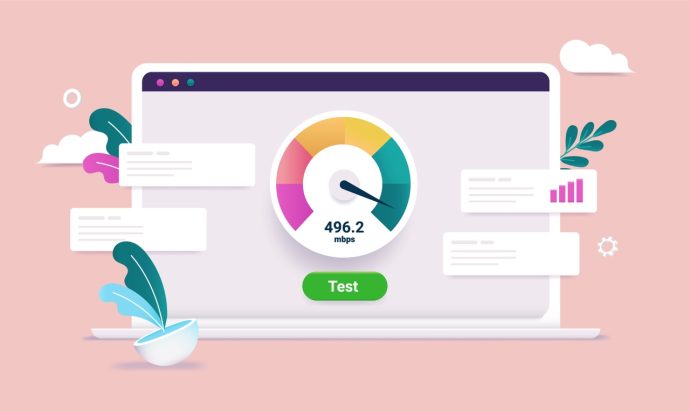
Mistake 4: Slow Page Speed

Customers do not want to wait for a website to load. Slow pages create frustration and reduce trust.

Large images, poor hosting, unnecessary plugins, and outdated website code can all hurt speed. A slow website can make visitors feel like your business is not current or professional.

Improving speed can help create a smoother experience and support better conversion rates. OMA Comp can review website performance as part of a broader website design and development strategy.

Mistake 5: No Clear Call to Action

Every important page on your website should clearly guide the visitor toward a meaningful next step. Whether that means signing up for a newsletter, making a purchase, booking a consultation, or simply reading another article, each page needs a defined purpose and a clear direction. If your website does not tell people what to do, many will leave without taking any action at all — not because they aren’t interested, but simply because they weren’t given a clear path to follow. Think of your website as a conversation. Just as a good salesperson or customer service representative naturally leads someone toward a decision, your pages should do the same through well-placed calls to action, intuitive navigation, and purposeful content. Visitors often arrive on your site without a fully formed plan, and a gentle, well-timed prompt can be the difference between a conversion and a missed opportunity. Even small, low-commitment actions — like clicking a button to learn more or downloading a free resource — can keep visitors engaged and move them further along the journey.

A strong call to action should be simple and direct:

  • Call Today
  • Request a Quote
  • Schedule a Consultation
  • Get Started
  • Contact Our Team

Your call to action should appear near the top of the page and again throughout the page when appropriate. The goal is to reduce friction and make it easy for visitors to respond.

Mistake 6: Hard-to-Find Contact Information

If someone is ready to contact your business, do not make them search. Your phone number, contact form, address, and hours should be easy to locate.

For local businesses, contact information should be visible in the header, footer, and contact page. Clickable phone numbers are especially important on mobile.

If users cannot quickly figure out how to reach you, they may go back to Google and choose another company.

Mistake 7: Poor Use of Images

Images can improve a website, but only if they support the message. Low-quality images, generic stock photos, stretched graphics, or outdated visuals can hurt credibility.

Strong images should feel professional, relevant, and authentic. Real photos of your team, work, location, products, or process can help build trust.

Good visual design helps visitors feel more connected to your business.

Mistake 8: Missing Trust Signals

People want confidence before they take action. If your website does not show proof, visitors may hesitate.

Trust signals include reviews, testimonials, certifications, awards, case studies, portfolio images, partner logos, before-and-after examples, and years of experience.

These details show that your business is active, capable, and reliable.

Mistake 9: Poor Page Structure

A well-designed page should be easy to scan. Many visitors do not read every word. They look at headings, short sections, images, buttons, and key points.

If your pages are long blocks of text with no structure, people may leave. Use clear headings, short paragraphs, and organized sections to improve readability.

Good structure helps visitors understand your message faster.

Mistake 10: Designing Without a Lead Strategy

A website should not just look good. It should support business goals. If your site is not designed around lead generation, it may fail to produce results.

A lead-focused website includes strong service pages, clear calls to action, helpful content, trust signals, simple forms, and strong SEO structure.

For more guidance, visit our internal page on digital marketing services to see how website design, ads, SEO, and branding work together.

Futuristic website performance dashboard showing traffic metrics, processing load, illustrating the importance of page speed optimization.

Final Thoughts

Website design mistakes can quietly push customers away. A cluttered layout, unclear message, slow speed, poor mobile experience, or weak call to action can all reduce leads.

The good news is that these issues can be fixed. With a better design strategy, your website can become easier to use, more trustworthy, and more effective at turning visitors into customers.

OMA Comp helps businesses build websites that look professional and work strategically. A better website can help your business create stronger first impressions and generate more real leads.

Filed Under: Blogging Tagged With: business website, lead generation, OMA Comp, user experience, web design, website conversions, website design mistakes

How Website Speed Impacts Conversions and Rankings

December 9, 2025

Table of Contents
  • Website Design Mistakes That Make Customers Leave
    • Mistake 1: A Cluttered Homepage
    • Mistake 2: Weak or Confusing Messaging
    • Mistake 3: Poor Mobile Design
    • Mistake 4: Slow Page Speed
    • Mistake 5: No Clear Call to Action
    • Mistake 6: Hard-to-Find Contact Information
    • Mistake 7: Poor Use of Images
    • Mistake 8: Missing Trust Signals
    • Mistake 9: Poor Page Structure
    • Mistake 10: Designing Without a Lead Strategy
    • Final Thoughts

Introduction

Website speed has become one of the most important performance factors in digital marketing. A slow website leads to fewer conversions, lower search rankings, and a poor user experience. Today’s users expect fast, seamless interactions, and search engines reward websites that load quickly. Understanding how speed affects both SEO and conversions is essential for any business focused on online growth.

Why Website Speed Matters for SEO

Google’s algorithm places significant weight on website speed and overall performance. Faster websites provide better user satisfaction, which results in higher rankings. Slow-loading pages increase bounce rates, signaling to search engines that your content may not meet user needs. Page speed is a direct ranking factor for both mobile and desktop results.

How Speed Impacts Conversions

A delay of even one second can cause a noticeable drop in conversion rates. When customers encounter long loading times, they lose trust and abandon the page. A fast website creates a smoother journey from landing page to checkout or form submission. For businesses using paid ads, improving page speed also increases the return on ad spend by reducing wasted clicks.

Key Factors That Influence Website Speed

Several elements affect loading times. Image size is a major contributor, as unoptimized images slow down servers. Code structure, hosting quality, caching, and third-party scripts also impact performance. Tools such as Google PageSpeed Insights and GTmetrix help identify these issues and provide actionable recommendations.

How to Improve Website Speed

Start by compressing images, minifying code, and enabling browser caching. Choose reliable hosting with strong performance and consider implementing a content delivery network. Regular website maintenance ensures that plugins, themes, and integrations do not hinder performance.

Conclusion

Website speed plays a critical role in both SEO performance and conversion rates. Businesses that prioritize speed see higher rankings, lower bounce rates, and better overall user engagement. Investing in faster performance directly supports long-term digital success.

Filed Under: Blogging Tagged With: conversion optimization, Core Web Vitals, Digital Marketing, page speed, SEO performance, site performance, user experience, website optimization, website speed

UX and UI in Your Web and App Design

January 29, 2020

OMA Comp Care About UX and UI In Your App or Web Design

Good web or app design should be focused on the needs and abilities of the user. If your user base struggles to understand and navigate it, then it will fail. The first step is understanding what UX and UI components are and why they are so important.

What Is UX?

UX stands for “user experience.” This term is used to describe the behaviors and feelings of the user when they access your app or website. It looks at the user’s perspective in terms of both design and function.

What Makes a Good UX?

Every second your app or site takes to load increases the chances of the user bouncing or navigating away. The site should be optimized for fast response times. Think like your users when developing the UX. What is it that you want them to do when entering your app or site. This should be your Call to Action. Consider what emotions you would like them to experience. Focus on evoking those feelings or responses through color, shape, content, sounds, and navigation elements.

What Is UI?

UI refers to the “user interface.” This includes the controls and displays found on a website or app. They are traditionally viewed as buttons or links. Newer technology also incorporates gestures.

What Makes a Good UI?

A good UI should feel natural to the user. It should be intuitive. Most won’t bother reading a manual or help document. The interface should form a human connection and be easy to understand and navigate.

A good UI and UX requires specific skills and an understanding of your audience. If you have questions or would like to learn more, let us know. We will discuss your needs and help find solutions that work for you and your audience, so we can develop the best website or app for your business goals, brand and consumer.

Filed Under: News Tagged With: UI, user experience, user interface, UX, web design, web development

Footer

Contact Information


OMA Comp

318 Woodlawn Avenue
Royal Oak, MI 48073-2615

Phone: 248-616-3057
Fax: 248-232-0075

Review Us | Request A Quote

Contact Us

Recent Posts

  • How To Turn Website Visitors Into Phone Calls and Form Submissions
  • Why Your Business May Be Losing Leads Online Without Realizing It
  • Website Design Mistakes That Make Customers Leave
  • Outdated Website Signs That Could Be Hurting Your Sales
  • Fueling the Future: Andrew Bogusz’s Road to IndyCar

Newsletter Signup

Subscribe below to hear about our latest product offerings and promotions.

Subscribe

Connect With Us

  • Facebook
  • Instagram
  • LinkedIn
  • Twitter
  • YouTube

Copyright © 2026 OMA Comp · Repair Policies · Terms and Conditions · Privacy Policy · Service Ticket

  • Phone: (248) 616-3057
  • Review Us
  • Newsletter Sign Up
Accessibility Adjustments

Powered by OneTap

How long do you want to hide the toolbar?
Hide Toolbar Duration
Select your accessibility profile
Vision Impaired Mode
Enhances website's visuals
Seizure Safe Profile
Clear flashes & reduces color
ADHD Friendly Mode
Focused browsing, distraction-free
Blindness Mode
Reduces distractions, improves focus
Epilepsy Safe Mode
Dims colors and stops blinking
Content Modules
Font Size

Default

Line Height

Default

Color Modules
Orientation Modules