

• Skip to primary navigation
  • Skip to main content
  • Skip to footer
OMA Comp

OMA Comp

Web Design & Development

  • Home
  • About
    • Our Culture
    • Client Testimonials
    • Photo Gallery
    • Video Testimonials
  • Services
    • Web & Creative
      • Custom App Design
      • Drone Services
      • Graphic Design
      • Logo Design
      • Online Stores
      • Photography/Videography
      • Video Production
      • Web Design/Development
    • Digital Marketing
      • Advertising & Paid Search (PPC)
      • B2B Marketing
      • Content Marketing
      • Email Marketing
      • Press Releases & Public Relations
      • Social Media Management
    • SEO & Online Visibility
      • Local SEO
      • Reputation Management & Repair
      • Search Engine Optimization (SEO)
      • Website Compliance (ADA, WCAG)
    • Technology & IT Solutions
      • Cloud Solutions
      • Custom Integrations
      • IT Support & Maintenance
      • Network Setup & Security
      • Managed Hosting
    • Strategy & Consulting
      • Analytics & Reporting
      • Marketing Strategy Development
      • Training & Support
      • Website & Brand Review
      • Social Media Boot Camp Classes
      • Events
  • Portfolio
  • Blog
  • Contact
    • Careers
    • Internships
    • Review Us
  • Online Bill Pay
  • Request a Quote
  • 248-616-3057

lead generation

How To Turn Website Visitors Into Phone Calls and Form Submissions

May 22, 2026

Table of Contents
  • Start With a Clear Headline
  • Make Your Phone Number Easy to Find
  • Use Strong Calls to Action
  • Keep Forms Simple
  • Build Trust Before Asking for Action
  • Create Service Pages That Answer Real Questions
  • Improve Page Speed
  • Make the Website Mobile-Friendly
  • Use Internal Links to Guide Visitors
  • Add Calls to Action Throughout the Page
  • Track What Is Working
  • Final Thoughts

Getting people to visit your website is important, but traffic alone does not grow your business. The real goal is to turn visitors into leads. That means phone calls, form submissions, appointment requests, quote requests, and other meaningful actions.

If your website gets traffic but does not generate enough leads, the issue may not be visibility. It may be conversion. Your website needs to make visitors feel confident, answer their questions, and guide them toward action.

Here are key ways to turn more website visitors into phone calls and form submissions.

Start With a Clear Headline

When someone lands on your website, they should immediately understand what you do. Your headline should be clear, not clever or vague.

A strong headline tells visitors they are in the right place. It should communicate your service, audience, and value.

For example, instead of saying “Solutions Built for You,” a stronger headline might say, “Website Design and Digital Marketing That Help Local Businesses Generate More Leads.”

Clarity creates confidence. Confident visitors are more likely to take action.

Make Your Phone Number Easy to Find

If phone calls are important to your business, your phone number should be visible. Do not hide it only on the contact page.

Place your phone number in the header, footer, and mobile menu. On mobile devices, make sure the phone number is clickable. A visitor should be able to tap once and call.

This is especially important for service businesses, medical offices, contractors, law firms, restaurants, and any business that relies on quick customer response.

Use Strong Calls to Action

A call to action tells visitors what to do next. Without a clear call to action, people may browse your site and leave.

Strong calls to action include:

Call Now

Request a Quote

Schedule a Consultation

Book an Appointment

Contact Our Team

Get Started Today

The wording should match the type of lead you want. If your sales process begins with a conversation, encourage visitors to call. If you need project details first, guide them to a form.

Keep Forms Simple

Long forms can reduce submissions. If a form asks for too much information too soon, visitors may abandon it.

A good lead form should be simple and focused. Ask for the information you truly need to start the conversation. This may include name, phone number, email, service needed, and a short message.

You can always gather more details after the first contact. The main goal is to make the first step easy.

Build Trust Before Asking for Action

People are more likely to contact a business when they trust it. Your website should include trust signals near calls to action.

Trust signals may include:

Customer reviews

Testimonials

Case studies

Portfolio examples

Certifications

Awards

Years in business

Professional photos

Team information

These details reassure visitors that your business is legitimate and capable.

Create Service Pages That Answer Real Questions

Many visitors arrive with specific needs. If your website only has a general services page, you may miss opportunities to connect with them.

Individual service pages help visitors find the exact solution they need. They also support SEO by targeting specific search terms.

Each service page should explain the problem, the service, the benefits, your process, and the next step. It should also include a clear call to action.

For example, OMA Comp uses website design, SEO, and digital advertising pages to explain different services clearly and guide visitors toward the right solution.

Improve Page Speed

A slow website can cost you leads. If visitors have to wait too long, they may leave before seeing your content or contacting you.

Page speed can be improved by compressing images, cleaning up unnecessary code, using better hosting, removing unused plugins, and optimizing scripts.

A faster site creates a better user experience and helps visitors move smoothly toward action.

Make the Website Mobile-Friendly

Many visitors will contact your business from their phone. If your website is difficult to use on mobile, you may lose leads.

Your mobile site should include readable text, simple navigation, clickable buttons, fast loading, and easy forms. Calls to action should be visible without requiring users to search.

A strong mobile experience can directly increase phone calls and form submissions.

Use Internal Links to Guide Visitors

Internal links help move visitors from one page to another. They can also support SEO and help users learn more about your services.

For example, a blog post about website conversions can link to your website design services, SEO services, and contact page. These links give visitors a clear path to continue engaging with your business.

Internal linking should feel natural and helpful.

Add Calls to Action Throughout the Page

Do not place one button at the bottom and hope visitors find it. Some people are ready to act quickly. Others need more information first.

Include calls to action near the top, after important sections, and at the end of the page. This gives visitors multiple opportunities to take the next step.

Track What Is Working

To improve conversions, you need to understand visitor behavior. Tracking phone calls, form submissions, button clicks, and page performance can reveal what is working and what needs attention.

Analytics can help identify high-traffic pages that are not converting, forms that may be too long, or calls to action that need improvement.

Final Thoughts

Turning website visitors into phone calls and form submissions requires more than traffic. It takes clear messaging, strong design, simple navigation, trust-building content, and easy calls to action.

OMA Comp helps businesses create websites and marketing systems that turn online attention into real leads. If your website is getting visitors but not enough calls or submissions, it may be time to improve your conversion strategy.

Visit our contact page to start the conversation and learn how OMA Comp can help your website work harder for your business.

Filed Under: Blogging Tagged With: conversion rate optimization, form submissions, lead generation, OMA Comp, phone calls, website leads, website strategy

Why Your Business May Be Losing Leads Online Without Realizing It

May 21, 2026

Businesses often attribute poor lead generation to simple causes like website design or ad spend, but the deeper issue is typically a combination of small gaps across the entire marketing system. Visitors may reach a website and leave quickly when messaging, trust signals, or calls to action fall short.

Effective lead generation requires alignment across websites, ads, branding, content, and follow-up processes. When these elements work together as a unified system, businesses are better positioned to convert online attention into measurable results.

Many business owners assume that if they are not getting enough leads, the problem must be simple.

  • Maybe the website needs a new look.
  • Maybe the ads need more money.
  • Maybe people are not ready to buy.
  • Maybe the market is slow.

While any of those can play a role, the real issue is often deeper. Most businesses lose online leads because their marketing system has too many small gaps working against them at the same time.

A visitor may click your ad, land on your website, skim the page for a few seconds, and leave without calling. That might feel like a lost opportunity, but it is also valuable information. Something in the process did not give them enough confidence to take the next step.

At OMA Comp, we look at digital marketing as more than just a website, ad campaign, or social media post. We look at the full path a customer takes from first impression to final decision.

The Hidden Lead Leak Most Businesses Miss

The biggest lead problem is not always traffic. It is often conversion.

A business may already be getting people to its website, Facebook page, Google profile, or landing pages. The issue is that those visitors are not turning into calls, form submissions, appointments, or purchases.

That can happen when:

  • The message does not clearly explain what the business does.
  • The website does not quickly build trust.
  • The call to action is hard to find.
  • The design looks outdated or cluttered.
  • The ads attract clicks from people who are not the right fit.
  • The content does not answer the customer’s real questions.
  • The business does not show enough proof, reviews, photos, services, or benefits.
  • Each issue may seem small on its own. Together, they can quietly reduce your results every day.

Why “Looking Good” Is Not Enough

A good-looking website is important, but design alone does not create leads.

Your website must also communicate clearly. Within seconds, visitors should understand who you help, what you offer, why they should trust you, and what to do next.

If someone has to search too hard for your phone number, service areas, pricing information, contact form, or main services, they may leave and choose a competitor instead.

Strong marketing design is not just about appearance. It is about guiding people toward action.

Your Ads May Be Working Harder Than They Should

Paid ads can bring traffic fast, but they cannot fix a weak website or unclear offer.

If your Google Ads, Facebook Ads, or social media campaigns are sending people to a page that does not convert, you may end up paying for attention without getting enough results.

That is why your ads, landing pages, graphics, copy, and calls to action need to work together.

A strong marketing system connects every piece:

  • The ad catches attention.
  • The message creates interest.
  • The landing page builds trust.
  • The call to action makes the next step easy.
  • The follow-up turns the lead into a customer.
  • When one piece is weak, the whole system suffers.

Clear messaging makes your business easier to understand and easier to trust.

The Real Answer: Your Marketing Needs to Work as a System

The correct quiz answer is D) All of the above because lead generation is rarely about one isolated issue.

Clear Messaging Builds Confidence

Customers do not want to work hard to figure out why they should choose you.

They want clear answers.

  • What do you offer?
  • Who do you help?
  • What problem do you solve?
  • Why are you different?
  • How do they get started?

If your marketing does not answer those questions quickly, visitors may hesitate. Hesitation often leads to lost leads.

A successful online presence includes:

  • A professional website
  • Strong branding
  • Clear service pages
  • Local SEO
  • Google Business Profile optimization
  • Paid advertising
  • Social media content
  • Lead-focused graphics
  • Trust-building copy
  • Conversion-friendly calls to action
  • Consistent follow-up

When these pieces are aligned, your business has a much better chance of turning online attention into real opportunities.

How OMA Comp Helps Businesses Capture More Leads

OMA Comp helps businesses improve their digital presence by looking at the full marketing picture. Instead of focusing on one piece alone, we help create stronger websites, better content, more effective advertising, cleaner design, and clearer messaging.

The goal is simple: help more of the right people find your business, understand your value, and take action.

Whether your website needs improvement, your ads need better direction, your content needs a stronger message, or your overall marketing needs a more strategic plan, OMA Comp can help build a system that works harder for your business.

Final Takeaway

If your business is getting traffic but not enough leads, the problem may not be one obvious issue.

It may be a hidden lead leak caused by unclear messaging, weak design, poor targeting, low trust, or an incomplete marketing system.

The good news is that those problems can be fixed.

When your website, ads, branding, content, and strategy work together, your marketing becomes more than just online activity. It becomes a lead-generating system built to support real business growth.

Filed Under: News Tagged With: Digital Marketing, lead generation, online marketing

Website Design Mistakes That Make Customers Leave

May 20, 2026

Common website design mistakes — including cluttered homepages, unclear messaging, slow load times, and missing calls to action — can cause visitors to leave before taking any action. Poor mobile design and hard-to-find contact information further reduce the chance of converting visitors into leads.

Additional factors such as low-quality images, absent trust signals, unstructured page layouts, and a lack of lead strategy can undermine credibility and business results. Addressing these issues through intentional design can improve user experience, build trust, and increase the number of visitors who contact or engage with a business.

Table of Contents
  • Start With a Clear Headline
  • Make Your Phone Number Easy to Find
  • Use Strong Calls to Action
  • Keep Forms Simple
  • Build Trust Before Asking for Action
  • Create Service Pages That Answer Real Questions
  • Improve Page Speed
  • Make the Website Mobile-Friendly
  • Use Internal Links to Guide Visitors
  • Add Calls to Action Throughout the Page
  • Track What Is Working
  • Final Thoughts
Woman sitting on the floor with a laptop, frustrated with hands on her head, surrounded by cardboard boxes

Website Design Mistakes That Make Customers Leave

Your website has only a short amount of time to make a strong impression. When someone lands on your site, they are quickly deciding whether your business feels credible, helpful, and easy to work with.

Good website design does more than look nice. It guides visitors, builds trust, answers questions, and encourages action. Poor design can do the opposite. It can confuse visitors, frustrate them, and cause them to leave before they ever call or submit a form.

Here are some of the most common website design mistakes that make customers leave.

Mistake 1: A Cluttered Homepage

A cluttered homepage can overwhelm visitors. Too much text, too many buttons, too many images, and too many competing messages can make it hard for people to know where to focus.

Your homepage should have a clear purpose. Visitors should immediately understand what your business does, who you help, and what step they should take next.

A clean homepage should include a strong headline, a short explanation, clear calls to action, key services, trust signals, and easy navigation. Everything should work together instead of competing for attention.

Mistake 2: Weak or Confusing Messaging

Design and messaging are connected. Even a beautiful website can fail if the words are unclear.

Customers are usually looking for answers:

What do you do?

Can you solve my problem?

Do you serve my area?

Why should I trust you?

How do I get started?

If your website does not answer these questions quickly, visitors may leave and choose a competitor. Clear messaging should be specific, customer-focused, and easy to understand.

Instead of saying “We provide quality solutions,” explain the actual value. For example, “We help local businesses improve their websites, increase visibility, and generate more qualified leads.”

Mistake 3: Poor Mobile Design

A website may look great on a desktop but fail on a phone. This is a major problem because many users browse, research, and contact businesses from mobile devices.

Poor mobile design includes tiny text, crowded layouts, buttons that are hard to tap, images that load incorrectly, and forms that are difficult to complete.

Mobile design should be simple and conversion-focused. Phone numbers should be clickable. Forms should be short. Important information should be easy to find without endless scrolling.

Mistake 4: Slow Page Speed

Customers do not want to wait for a website to load. Slow pages create frustration and reduce trust.

Large images, poor hosting, unnecessary plugins, and outdated website code can all hurt speed. A slow website can make visitors feel like your business is not current or professional.

Improving speed can help create a smoother experience and support better conversion rates. OMA Comp can review website performance as part of a broader website design and development strategy.

Mistake 5: No Clear Call to Action

Every important page on your website should clearly guide the visitor toward a meaningful next step. Whether that means signing up for a newsletter, making a purchase, booking a consultation, or simply reading another article, each page needs a defined purpose and a clear direction. If your website does not tell people what to do, many will leave without taking any action at all — not because they aren’t interested, but simply because they weren’t given a clear path to follow. Think of your website as a conversation. Just as a good salesperson or customer service representative naturally leads someone toward a decision, your pages should do the same through well-placed calls to action, intuitive navigation, and purposeful content. Visitors often arrive on your site without a fully formed plan, and a gentle, well-timed prompt can be the difference between a conversion and a missed opportunity. Even small, low-commitment actions — like clicking a button to learn more or downloading a free resource — can keep visitors engaged and move them further along the journey.

A strong call to action should be simple and direct:

  • Call Today
  • Request a Quote
  • Schedule a Consultation
  • Get Started
  • Contact Our Team

Your call to action should appear near the top of the page and again throughout the page when appropriate. The goal is to reduce friction and make it easy for visitors to respond.

Mistake 6: Hard-to-Find Contact Information

If someone is ready to contact your business, do not make them search. Your phone number, contact form, address, and hours should be easy to locate.

For local businesses, contact information should be visible in the header, footer, and contact page. Clickable phone numbers are especially important on mobile.

If users cannot quickly figure out how to reach you, they may go back to Google and choose another company.

Mistake 7: Poor Use of Images

Images can improve a website, but only if they support the message. Low-quality images, generic stock photos, stretched graphics, or outdated visuals can hurt credibility.

Strong images should feel professional, relevant, and authentic. Real photos of your team, work, location, products, or process can help build trust.

Good visual design helps visitors feel more connected to your business.

Mistake 8: Missing Trust Signals

People want confidence before they take action. If your website does not show proof, visitors may hesitate.

Trust signals include reviews, testimonials, certifications, awards, case studies, portfolio images, partner logos, before-and-after examples, and years of experience.

These details show that your business is active, capable, and reliable.

Mistake 9: Poor Page Structure

A well-designed page should be easy to scan. Many visitors do not read every word. They look at headings, short sections, images, buttons, and key points.

If your pages are long blocks of text with no structure, people may leave. Use clear headings, short paragraphs, and organized sections to improve readability.

Good structure helps visitors understand your message faster.

Mistake 10: Designing Without a Lead Strategy

A website should not just look good. It should support business goals. If your site is not designed around lead generation, it may fail to produce results.

A lead-focused website includes strong service pages, clear calls to action, helpful content, trust signals, simple forms, and strong SEO structure.

For more guidance, visit our internal page on digital marketing services to see how website design, ads, SEO, and branding work together.

Futuristic website performance dashboard showing traffic metrics, processing load, illustrating the importance of page speed optimization.

Final Thoughts

Website design mistakes can quietly push customers away. A cluttered layout, unclear message, slow speed, poor mobile experience, or weak call to action can all reduce leads.

The good news is that these issues can be fixed. With a better design strategy, your website can become easier to use, more trustworthy, and more effective at turning visitors into customers.

OMA Comp helps businesses build websites that look professional and work strategically. A better website can help your business create stronger first impressions and generate more real leads.

Filed Under: Blogging Tagged With: business website, lead generation, OMA Comp, user experience, web design, website conversions, website design mistakes

Outdated Website Signs That Could Be Hurting Your Sales

May 18, 2026

Table of Contents
  • Start With a Clear Headline
  • Make Your Phone Number Easy to Find
  • Use Strong Calls to Action
  • Keep Forms Simple
  • Build Trust Before Asking for Action
  • Create Service Pages That Answer Real Questions
  • Improve Page Speed
  • Make the Website Mobile-Friendly
  • Use Internal Links to Guide Visitors
  • Add Calls to Action Throughout the Page
  • Track What Is Working
  • Final Thoughts

Your website is often the first impression people have of your business. Before they call, visit, book, or request a quote, they usually check your website to decide if your company feels trustworthy, professional, and easy to work with.

If your website looks outdated, loads slowly, or makes it hard for visitors to take action, it may be hurting your sales without you realizing it. A website does not need to be broken to lose business. Sometimes, small issues work together and quietly reduce leads every day.

Your Website Looks Visually Dated

Design trends change, but more importantly, customer expectations change. If your site looks like it was built years ago and has not been refreshed, visitors may assume your business is behind as well.

Outdated fonts, crowded layouts, old graphics, low-quality photos, and inconsistent colors can make your brand feel less credible. Even if your services are excellent, a dated website can create doubt before a visitor ever contacts you.

A modern website should feel clean, organized, and easy to scan. It should quickly show who you are, what you offer, and why someone should choose your business.

Your Website Is Not Mobile Friendly

Many customers visit websites from their phones. If your site is hard to read, requires pinching and zooming, or has buttons that are difficult to tap, visitors may leave quickly.

A mobile-friendly website should adjust naturally to smaller screens. Text should be readable, images should resize properly, and calls to action should be easy to find. If someone wants to call your business, the phone number should be simple to tap.

For many local businesses, mobile visitors are high-intent visitors. They may be ready to call, schedule, or get directions. A poor mobile experience can mean lost leads.

Your Website Loads Too Slowly

Speed matters. If your site takes too long to load, visitors may not wait. Slow websites can also hurt user experience and reduce conversions.

Large images, outdated plugins, poor hosting, old code, and unnecessary scripts can all slow a website down. A fast website helps users move smoothly from interest to action.

If your website feels sluggish, it may be time for a performance review. OMA Comp can help identify technical issues that may be holding your site back. Learn more through our internal page on website design and development.

Your Messaging Is Unclear

A visitor should be able to understand your business within seconds. If your homepage does not clearly explain what you do, who you help, and what action someone should take next, your messaging may be costing you leads.

Many outdated websites are filled with generic statements like “quality service” or “trusted professionals” without clearly showing value. Strong messaging focuses on the customer’s problem and explains how your business solves it.

Clear messaging helps people feel confident. Confused visitors rarely convert.

Your Calls to Action Are Weak or Missing

A website should guide visitors toward the next step. That could be calling, requesting a quote, scheduling a consultation, filling out a form, or visiting a location.

If your website does not have strong calls to action, people may browse and leave. A call to action should be visible, direct, and repeated throughout important pages.

Examples include:

“Request a Free Consultation”

“Call Today”

“Schedule Your Appointment”

“Get a Quote”

“Talk With Our Team”

The goal is to make action easy.

Your Content Is Old or Thin

Outdated service pages, old blog posts, missing location pages, and weak descriptions can hurt both search visibility and customer trust. If your content no longer reflects your current services, pricing approach, service area, or brand voice, your website may be creating confusion.

Fresh, helpful content can support SEO and help customers make better decisions. Blog posts, FAQs, service pages, and case studies can all improve engagement.

For more on this, see our internal resource on SEO content strategy.

Your Website Does Not Build Trust

Customers want proof before they contact a business. If your website is missing testimonials, reviews, project examples, team information, awards, certifications, or strong photos, visitors may hesitate.

Trust signals help people feel safe choosing your company. An updated website should show credibility clearly and naturally.

Your Site Is Hard to Navigate

If visitors cannot find what they need quickly, they may leave. Navigation should be simple, with clear pages for services, about, contact, locations, and important resources.

Too many menu items can feel overwhelming. Too few can make the site feel incomplete. A good website structure helps both users and search engines understand your business.

Your Website Is Not Turning Traffic Into Leads

Getting traffic is only part of the goal. Your website should turn that traffic into real opportunities. If people visit your site but do not call, submit forms, or take the next step, the issue may be your design, messaging, layout, speed, or offer.

OMA Comp helps businesses improve the full digital experience, from design and SEO to ads and conversion strategy. Visit our digital marketing services page to learn how we help businesses turn online traffic into real leads.

Final Thoughts

An outdated website can quietly reduce sales, even when your business is doing great work. If your site looks old, loads slowly, has unclear messaging, or does not guide visitors toward action, it may be time for a refresh.

Your website should work as a lead-generating tool, not just an online brochure. With the right design, content, and strategy, your website can help build trust, improve engagement, and create more opportunities for your business.

Filed Under: Blogging Tagged With: Digital Marketing, lead generation, OMA Comp, outdated website, website design, website redesign, website sales

Local Marketing Ideas for Winter Slow Seasons

February 16, 2026

Table of Contents
  • Start With a Clear Headline
  • Make Your Phone Number Easy to Find
  • Use Strong Calls to Action
  • Keep Forms Simple
  • Build Trust Before Asking for Action
  • Create Service Pages That Answer Real Questions
  • Improve Page Speed
  • Make the Website Mobile-Friendly
  • Use Internal Links to Guide Visitors
  • Add Calls to Action Throughout the Page
  • Track What Is Working
  • Final Thoughts

Why Winter Can Slow Business Down

For many local businesses, winter brings a noticeable slowdown. Foot traffic decreases, consumer spending shifts after the holidays, and weather conditions limit in person engagement. However, a slower season does not have to mean lost momentum. With the right local marketing strategies, businesses can stay visible, generate leads, and prepare for spring growth.

Winter is actually an opportunity. While competitors pull back on marketing, businesses that stay active gain attention and market share.

Strengthen Your Local SEO Presence

One of the most effective local marketing ideas during winter is improving local SEO. When customers search for services in your area, your business needs to appear prominently.

Start by optimizing your Google Business Profile. Update business hours, add fresh photos, post weekly updates, and encourage satisfied customers to leave reviews. Local search visibility increases when profiles remain active and complete.

Additionally, publish blog content targeting location based keywords. For example, phrases like local marketing agency in Detroit or small business marketing near me help attract nearby search traffic.

Run Limited Time Winter Promotions

Seasonal promotions create urgency and drive engagement. Even during slower months, customers respond to special offers.

Consider offering winter discounts, bundled services, referral bonuses, or loyalty rewards. Promote these offers across social media, email marketing campaigns, and your website homepage.

Limited time offers not only increase sales but also keep your audience engaged during quieter periods.

Focus on Relationship Building

Winter is an ideal time to strengthen relationships with existing customers. Instead of focusing only on acquisition, nurture your current client base.

Send personalized emails, check in with key clients, and offer value through educational content. Hosting virtual workshops or webinars can also increase engagement while positioning your business as a trusted local expert.

Strong relationships built during slow seasons often result in repeat business and referrals later in the year.

Invest in Content Marketing

Content marketing supports long term growth. During winter, dedicate time to creating blog posts, case studies, and video content that answer common customer questions.

Educational content improves search rankings and builds authority in your industry. Over time, this strategy increases organic traffic and positions your business ahead of competitors who remain inactive.

Use Social Media to Stay Visible

Even when business slows, social media engagement should not. Share behind the scenes content, team highlights, customer testimonials, and educational tips relevant to your audience.

Short form video content performs especially well during winter months when users spend more time online. Consistency builds brand recognition and keeps your business top of mind.

Prepare for Spring Growth

Winter slow seasons provide the perfect time to audit your marketing strategy. Review website performance, optimize landing pages, improve load speeds, and refine messaging.

By investing in improvements now, your business will be ready to capture increased demand in the spring. A proactive approach prevents last minute scrambling when traffic picks up.

Consider Paid Local Advertising

Paid digital ads can maintain visibility while competitors reduce spending. Geo targeted campaigns allow businesses to reach local audiences efficiently.

Promote winter offers, highlight unique services, and drive traffic to optimized landing pages. Paid campaigns can generate consistent leads even during traditionally slower months.

Turn Slow Seasons Into Strategic Advantage

Local businesses that remain active during winter often outperform competitors in the long run. By focusing on visibility, engagement, and preparation, you transform a slow season into a growth opportunity.

Winter does not have to mean inactivity. With smart local marketing ideas, businesses can maintain momentum and build a strong foundation for the months ahead.


Filed Under: Blogging Tagged With: Detroit marketing agency, lead generation, local marketing, seasonal marketing ideas, small business marketing, winter marketing strategies

Conversion Rate Optimization Techniques That Deliver Results

February 11, 2026

Table of Contents
  • Start With a Clear Headline
  • Make Your Phone Number Easy to Find
  • Use Strong Calls to Action
  • Keep Forms Simple
  • Build Trust Before Asking for Action
  • Create Service Pages That Answer Real Questions
  • Improve Page Speed
  • Make the Website Mobile-Friendly
  • Use Internal Links to Guide Visitors
  • Add Calls to Action Throughout the Page
  • Track What Is Working
  • Final Thoughts

What Is Conversion Rate Optimization

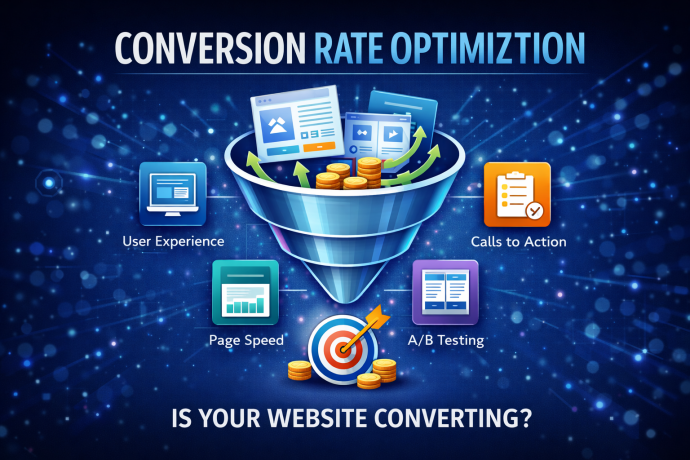
Conversion rate optimization, often called CRO, focuses on improving the percentage of website visitors who take a desired action. That action may include filling out a form, making a purchase, scheduling a consultation, or signing up for a newsletter.

Instead of spending more money to drive traffic, businesses use CRO techniques to get better results from the traffic they already have. This approach increases efficiency and improves overall marketing return on investment.

Optimize Your Website for User Experience

User experience plays a major role in website conversions. If visitors cannot navigate your site easily, they will leave before taking action.

Start by simplifying navigation. Make sure menus are clear and pages load quickly. Reduce clutter and eliminate unnecessary distractions. A clean layout with strong headlines and clear calls to action helps guide visitors naturally toward conversion.

Mobile optimization is equally important. With most users browsing on smartphones, responsive design ensures your website performs well on every device.

Strengthen Your Calls to Action

Calls to action influence conversion rates more than most businesses realize. Clear, direct language works best. Instead of vague phrases, use action focused wording such as Schedule Your Consultation or Get Your Free Quote.

Placement also matters. Position calls to action above the fold, within content, and at the end of pages. Testing button color, size, and wording can significantly improve click through rates.

Improve Page Load Speed

Website speed directly affects conversion rate optimization. Slow loading pages increase bounce rates and reduce trust.

Optimize images, reduce unnecessary plugins, and use reliable hosting. Even a one second improvement in load time can increase conversions and improve search engine rankings.

Use Data to Guide Decisions

Successful CRO strategies rely on data. Use tools like Google Analytics and heat mapping software to understand how visitors interact with your site.

Identify where users drop off and which pages convert best. A data driven approach removes guesswork and allows you to test changes systematically.

Build Trust With Social Proof

Trust influences purchasing decisions. Adding testimonials, reviews, certifications, and case studies increases credibility.

Place social proof near calls to action to reinforce confidence. When visitors see evidence that others trust your business, they feel more comfortable converting.

Simplify Forms and Checkout Processes

Long or complicated forms discourage conversions. Only ask for essential information. Shorter forms typically generate more leads.

For e commerce websites, streamline the checkout process. Reduce required steps and clearly communicate security measures to build trust.

Test and Refine Continuously

Conversion rate optimization is not a one time project. It requires ongoing testing and refinement.

Run A B tests on headlines, images, layouts, and calls to action. Small changes often lead to measurable improvements over time. Continuous optimization helps businesses stay competitive in evolving markets.

Why CRO Delivers Long Term Results

CRO increases revenue without increasing advertising costs. By improving conversion rates, businesses maximize existing traffic and improve marketing performance.

Instead of chasing more visitors, smart companies focus on converting the audience they already attract.

Final Thoughts

Conversion rate optimization techniques deliver results because they focus on performance, clarity, and user experience. Businesses that invest in CRO create websites that work harder, convert better, and drive measurable growth.

Filed Under: Blogging Tagged With: conversion rate optimization, CRO strategies, digital marketing strategy, lead generation, marketing agency, website conversions

  • Page 1
  • Page 2
  • Go to Next Page »

Footer

Contact Information


OMA Comp

318 Woodlawn Avenue
Royal Oak, MI 48073-2615

Phone: 248-616-3057
Fax: 248-232-0075

Review Us | Request A Quote

Contact Us

Recent Posts

  • How To Turn Website Visitors Into Phone Calls and Form Submissions
  • Why Your Business May Be Losing Leads Online Without Realizing It
  • Website Design Mistakes That Make Customers Leave
  • Outdated Website Signs That Could Be Hurting Your Sales
  • Fueling the Future: Andrew Bogusz’s Road to IndyCar

Newsletter Signup

Subscribe below to hear about our latest product offerings and promotions.

Subscribe

Connect With Us

  • Facebook
  • Instagram
  • LinkedIn
  • Twitter
  • YouTube

Copyright © 2026 OMA Comp · Repair Policies · Terms and Conditions · Privacy Policy · Service Ticket

  • Phone: (248) 616-3057
  • Review Us
  • Newsletter Sign Up
Accessibility Adjustments

Powered by OneTap

How long do you want to hide the toolbar?
Hide Toolbar Duration
Select your accessibility profile
Vision Impaired Mode
Enhances website's visuals
Seizure Safe Profile
Clear flashes & reduces color
ADHD Friendly Mode
Focused browsing, distraction-free
Blindness Mode
Reduces distractions, improves focus
Epilepsy Safe Mode
Dims colors and stops blinking
Content Modules
Font Size

Default

Line Height

Default

Color Modules
Orientation Modules