
Introduction
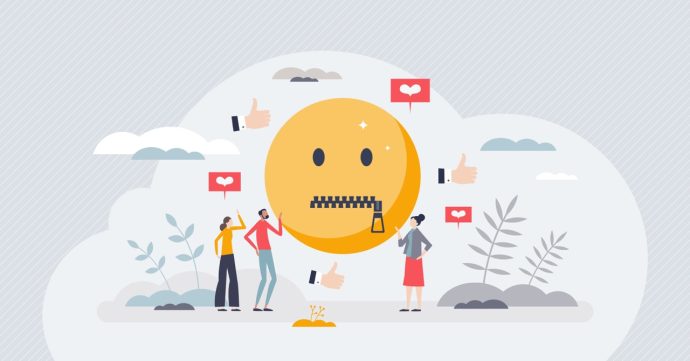
Governments around the world are reassessing the role of social media in society. Concerns around data privacy, misinformation, youth safety, and platform accountability have pushed regulation from discussion into action. Australia has already implemented strict measures targeting social media platforms, while the United Kingdom is moving toward stronger enforcement that many describe as a looming ban in certain contexts.
These developments raise important questions for users, businesses, and marketers who rely on social platforms as part of a broader digital marketing strategy.
Australia’s Approach to Social Media Regulation
Australia has taken one of the most assertive stances on social media regulation among Western countries. Rather than banning platforms outright, the government has focused on forcing accountability through legislation.
Key actions include:
- Laws requiring platforms to pay news publishers for content
- Increased penalties for failing to remove harmful or misleading material
- Stronger expectations around user safety, especially for minors
Australia’s strategy shifts responsibility onto platforms rather than individual users. Businesses impacted by these changes have increasingly relied on their own websites and SEO strategies to maintain visibility when social reach fluctuates.
Companies with strong organic search visibility and consistent content publishing were less affected than those relying solely on social distribution.
Effects on Users and Businesses in Australia
For users, the impact has been mixed. Some platforms temporarily restricted news content, while others adjusted how content is shared. These changes caused short-term disruption but did not eliminate social media usage.
Businesses felt a stronger impact. Many relied on social platforms to distribute promotions, updates, and brand messaging. Sudden policy changes forced companies to diversify into content marketing, email marketing, and local SEO to maintain consistent lead flow.
Brands that invested in owning their traffic rather than renting attention through platforms adapted more quickly.
The UK’s Looming Restrictions
The United Kingdom has not enacted a full social media ban, but proposed legislation under its Online Safety framework signals tighter enforcement. Platforms may face heavier penalties and increased moderation requirements if they fail to comply.
For advertisers, this introduces uncertainty around long-term platform reliability. As a result, many businesses are strengthening paid advertising strategies outside of social media, including search ads and display campaigns.
This shift highlights the importance of building multi-channel advertising strategies that do not depend on a single platform.
Why Governments Are Taking Action
Both Australia and the UK cite similar concerns: misinformation, youth mental health, and unchecked platform influence. Regulation offers governments a way to assert oversight of global technology companies operating within their borders.
At the same time, lawmakers must balance public safety with freedom of expression. This tension continues to shape how regulations evolve and how strictly they are enforced.
Implications for Marketing and Advertising
For businesses, these developments reinforce a critical lesson: relying exclusively on social media creates risk.
Forward-thinking companies are investing in:
- Strong website design and conversion optimization
- Long-term search engine optimization
- Email lists and first-party data ownership
- Paid search and diversified advertising channels
Social media remains valuable, but it works best when supported by a solid digital foundation.
A Balanced Perspective
Supporters of regulation argue it protects users and encourages accountability. Critics warn that overregulation may restrict expression or reduce platform availability.
Both perspectives hold merit. From a business standpoint, the priority is adaptability. Companies that build resilient marketing systems remain effective regardless of platform policy changes.
Conclusion
Australia’s social media regulations and the UK’s proposed restrictions reflect a global shift toward increased oversight of digital platforms. While these measures stop short of full bans, they significantly impact how businesses market, advertise, and communicate online.
Organizations that invest in SEO, owned content, and diversified marketing strategies will remain competitive as the digital landscape continues to change.